
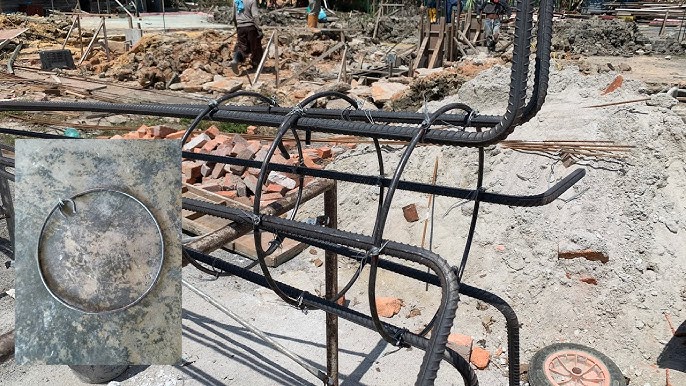
Bent rods, commonly known as bent rebars, play a crucial role in modern reinforced concrete construction. By shaping steel reinforcement into precise angles and profiles, bent rods help improve load distribution, structural bonding, and overall durability of concrete structures. From residential buildings to large infrastructure projects, the correct use of bent rods ensures strength, stability, and long-term performance.
What Are Bent Rods?
Bent rods are steel reinforcement bars that are cut and bent into specific shapes according to structural design requirements. Unlike straight rebars, bent rods are engineered to fit seamlessly into columns, slabs, beams, and foundations. The bending process enhances anchorage within concrete, reducing slippage and improving resistance to tensile and shear forces.
Bent rods are typically manufactured using high-strength steel and precision bending machines to maintain accuracy and consistency.
Common Types of Bent Rods Used in Construction
Column Rods
Column rods are L-shaped or angular bent bars used primarily in columns and vertical structural elements. They provide strong anchorage between columns and footings, ensuring effective load transfer from the superstructure to the foundation.
Mat Rods
Mat rods are U-shaped or rectangular bent rods widely used in raft foundations and slabs. They help maintain uniform spacing between reinforcement layers and improve the overall rigidity of large concrete surfaces.
Crank Rods
Crank rods feature angled bends along their length and are commonly used in beams and slabs. Their shape helps resist bending moments and shear forces, especially in areas where stress concentration is high.
Special Length Rods
Special length rods are custom-cut straight or lightly bent rebars manufactured to specific project requirements. These rods reduce on-site cutting, minimize material wastage, and speed up construction work.
Applications of Bent Rods
Bent rods are used across a wide range of construction applications, including:
- Residential and commercial buildings
- Bridges and flyovers
- Industrial structures
- Foundations, columns, beams, and slabs
Their tailored shapes ensure precise placement, better bonding with concrete, and improved structural integrity.
Benefits of Using Bent Rods
Using factory-bent rods offers several advantages:
- Improved structural strength and durability
- Accurate bending as per design specifications
- Reduced on-site labor and construction time
- Lower material wastage
- Consistent quality and better safety
These benefits make bent rods an essential component in efficient and reliable construction practices.
Conclusion
Bent rods are a backbone of reinforced concrete construction, providing strength, flexibility, and structural efficiency. Whether used as column rods, mat rods, crank rods, or special length rods, their correct selection and application significantly impact the quality and lifespan of a structure. As construction standards continue to evolve, precision-engineered bent rods remain a dependable solution for modern building needs.