
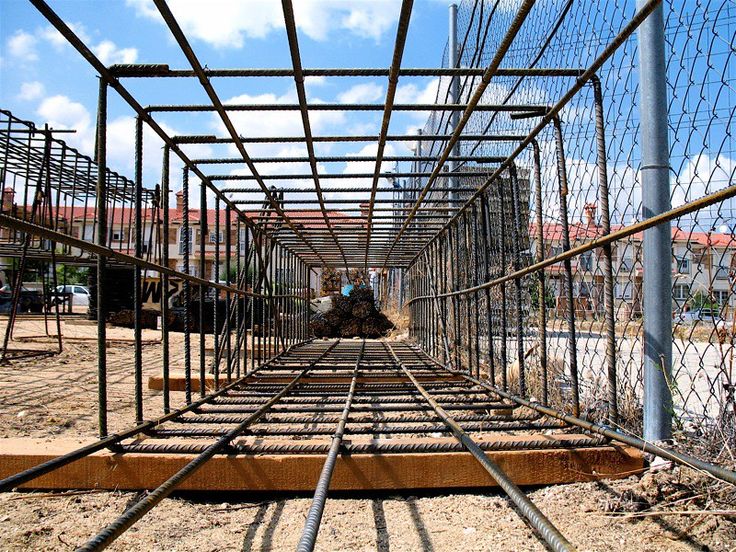
What Are Rebars?
Rebars, short for reinforcing bars, are steel rods or mesh used in concrete structures to improve their tensile strength. While concrete performs exceptionally well under compression, it is inherently weak under tension. Rebars compensate for this weakness by absorbing tensile forces, preventing cracks and structural failure. Typically manufactured from carbon steel, rebars feature surface deformations (ribs) that enhance bonding with concrete, ensuring load transfer between the two materials.
Why Concrete Needs Reinforcement
Concrete alone cannot withstand bending, stretching, or shear forces encountered in real-world structures such as buildings, bridges, and pavements. Temperature changes, shrinkage, seismic activity, and live loads generate tensile stresses that plain concrete cannot handle effectively. Rebars act as a skeletal framework inside the concrete, distributing stresses uniformly and significantly increasing durability, load-bearing capacity, and resistance to cracking over time.
Types of Rebars Used in Construction
Rebars are available in various types depending on structural requirements and environmental conditions. Mild steel rebars are flexible and easy to bend, making them suitable for small-scale structures. High-yield deformed (HYSD) bars offer higher strength and better bonding, widely used in modern construction. TMT (Thermo-Mechanically Treated) rebars provide superior ductility, corrosion resistance, and seismic performance. For aggressive environments, epoxy-coated or stainless steel rebars are used to prevent corrosion.
Applications of Rebars in Structures
Rebars are essential in almost every reinforced concrete structure. They are used in foundations, columns, beams, slabs, retaining walls, bridges, and high-rise buildings. In infrastructure projects, rebars enhance structural integrity under heavy loads and dynamic forces. Proper placement, spacing, and anchorage of rebars ensure that the reinforced concrete behaves as a unified system, capable of withstanding long-term stresses and environmental exposure.
Importance of Quality and Standards
The performance of reinforced concrete depends heavily on the quality of rebars used. Inferior or improperly manufactured rebars can lead to premature corrosion, cracking, and structural failure. Adhering to national and international standards ensures consistent strength, ductility, and chemical composition. Proper handling, storage, and correct detailing during construction are equally critical, as even high-quality rebars can underperform if installed incorrectly.